
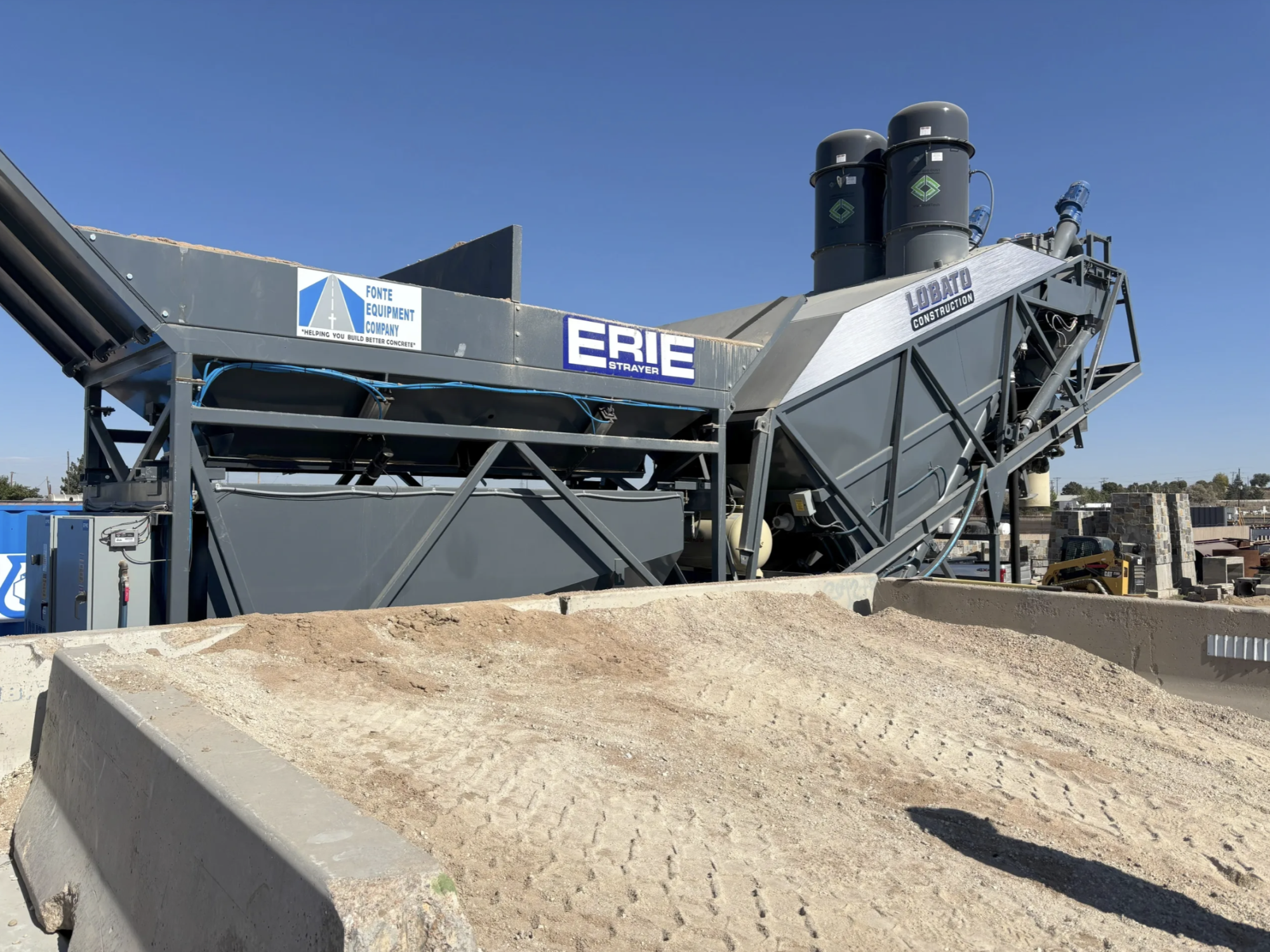


Aggregate Moisture Sensors

Contact us for all of your concrete batch plant and component needs.
Aggregate Moisture Sensors
Why They Matter More Than Most Producers Realize
In any operation that depends on consistent batching, accurate mix control, and dependable material performance, moisture is not a small detail. It is one of the factors that can quietly throw off an entire system when it is not monitored correctly. That is exactly why Aggregate Moisture Sensors have become such an important part of modern production environments.
Whether you are working in concrete batching, aggregate processing, ready-mix production, or another material-handling setting, moisture variation can create problems that reach much farther than many people expect. It can affect water calculations, mix consistency, strength expectations, waste, efficiency, and even customer satisfaction. When teams are forced to guess or rely on outdated methods, they often end up chasing consistency instead of controlling it.
That is where Aggregate Moisture Sensors make a real difference. They help turn uncertainty into usable data, allowing operations to make better decisions in real time rather than reacting after a problem has already developed.
What Aggregate Moisture Sensors Actually Do
At a basic level, Aggregate Moisture Sensors are used to measure the moisture content in aggregate materials such as sand, gravel, and crushed stone. That information helps operators understand how much water is already present in the material before it enters the mix or moves further through production.
This matters because aggregate is not a fixed material. Its moisture level can change due to weather, storage conditions, drainage, stockpile management, and handling methods. A pile of sand after a dry stretch can behave very differently from that same material after rain or heavy humidity. If your operation is not accounting for those changes accurately, the final product can suffer.
By using Aggregate Moisture Sensors, operations can reduce the guesswork and make better adjustments to water addition, batching, and process control. That leads to tighter consistency and fewer costly surprises.
Why Moisture Control Has Such a Big Impact
Moisture problems are easy to underestimate because they often do not appear as one dramatic failure. More often, they show up through repeated inconsistency. One batch feels slightly off. Another requires correction. Another creates performance concerns later. Over time, those small issues become expensive.
In concrete-related operations especially, excess or miscalculated water can affect slump, workability, finish, cure behavior, and strength outcomes. Not enough adjustment can create its own set of issues. When operators do not have reliable data, they are left relying on experience, visual judgment, or manual testing that may not keep up with changing conditions.
That is why Aggregate Moisture Sensors are not just useful tools. They are control tools. They help protect quality while also helping teams maintain production speed. Instead of constantly stopping to second-guess material conditions, operators can move with greater confidence.
The Cost of Guessing Wrong
There are many hidden costs tied to poor moisture awareness. Some companies notice the obvious ones first, like rejected loads, out-of-spec material, rework, or increased testing. But the financial impact often runs deeper than that.
Inaccurate moisture assumptions can contribute to wasted cement, unnecessary admixture adjustments, inconsistent yield, scheduling delays, and customer complaints. They can also increase stress on the people managing production because every correction takes time and attention away from the rest of the operation.
Installing Aggregate Moisture Sensors can help reduce those recurring losses by giving the team better visibility into what the material is actually doing. Better visibility supports better control, and better control usually leads to less waste and stronger operational performance.
Why Manual Checks Are Not Always Enough
Many operations still rely heavily on traditional testing methods or operator experience. While there is value in experienced judgment, the challenge is that conditions can shift quickly. A stockpile can hold different moisture levels in different zones. Surface moisture can change throughout the day. Incoming material may not behave the same from one load to the next.
Manual testing can provide useful snapshots, but it does not always provide continuous awareness. That is one reason Aggregate Moisture Sensors have become more valuable in operations that need tighter accuracy and faster responsiveness. They help bridge the gap between occasional checking and ongoing process visibility.
This does not mean experience stops mattering. It means experience becomes more powerful when it is supported by reliable data.
Better Consistency Leads to Better Confidence
Consistency is one of the most valuable things a producer can offer. Customers may not always talk in technical terms, but they notice when performance is dependable. They notice when product quality feels stable, when deliveries meet expectations, and when fewer problems arise in the field.
That kind of consistency does not happen by accident. It comes from controlling the variables that influence the final result, and moisture is one of the most important of those variables. Aggregate Moisture Sensors help companies tighten control over a factor that might otherwise remain unpredictable.
When an operation becomes more consistent, confidence grows across the board. Operators gain more trust in the batching process. Managers spend less time responding to quality issues. Customers experience better results. Those are the kinds of improvements that strengthen both performance and reputation.
Aggregate Moisture Sensors Help Support Efficiency Too
Quality is not the only reason to care about moisture measurement. Efficiency matters just as much. Every correction, pause, retest, or avoidable adjustment interrupts production flow. In busy environments, those interruptions add up fast.
By using Aggregate Moisture Sensors, teams can often reduce the amount of reactive decision-making that slows things down. Instead of waiting until material behavior reveals a problem, operators can make smarter adjustments earlier in the process. That helps production keep moving and reduces unnecessary disruption.
Efficiency is not just about speed. It is about smoother operation. It is about having fewer surprises, fewer preventable mistakes, and fewer moments where the entire team has to stop and compensate for something that could have been controlled sooner.
Moisture Variability Is a Daily Reality
One of the biggest reasons these systems matter is simple: aggregate moisture is not stable. Weather can change it. Storage methods can change it. Material sourcing can change it. Even the way aggregate is piled, reclaimed, or shaded can affect moisture distribution.
Because of that, many operations find that relying on fixed assumptions creates ongoing frustration. Yesterday’s numbers may not fit today’s conditions. What worked in the morning may not work by afternoon. In situations like that, Aggregate Moisture Sensors give operators a more realistic way to respond to the material they have, not the material they assumed they had.
That flexibility can be especially valuable in environments where schedules are demanding and production expectations are high. When conditions shift, the operation needs tools that help it shift intelligently too.
Integration With Modern Plant Control
Another reason Aggregate Moisture Sensors are worth considering is their role in broader plant control and automation. Many operations are working toward tighter system integration, better data visibility, and stronger production oversight. Moisture measurement fits naturally into that direction.
When sensor data is incorporated into process control, it can help operators make faster, more informed adjustments. It can support more accurate water correction and improve the dependability of batching decisions. In a more advanced setup, that kind of integration can help create a smoother and more disciplined production environment overall.
For companies trying to modernize their operation, this is not just about adding another component. It is about improving the quality of information the system uses to function.
Choosing the Right Solution Matters
Not all operations have the same needs, and not all sensor setups are equal. Material types, production goals, plant design, and environmental conditions all influence what will work best. That is why companies should not think of Aggregate Moisture Sensors as a one-size-fits-all purchase.
The right solution should fit the realities of the site. It should support the way the material is handled, the pace of production, and the level of control the operation needs. It should also be dependable enough to provide trustworthy readings under real-world conditions, not just ideal ones.
A well-matched system can provide long-term value. A poorly matched one can create frustration and hesitation. That is why the selection process deserves real thought rather than being treated like a minor add-on.
A Stronger Operation Starts With Better Information
At the end of the day, many production problems come back to information. If the team does not know what the material is doing, it becomes much harder to control the result. When that uncertainty touches something as influential as moisture, the impact can ripple across the whole operation.
That is why Aggregate Moisture Sensors matter so much. They help transform a variable that is often handled through guesswork into something measurable and actionable. They give operators better data, managers more confidence, and businesses a stronger chance of producing with consistency.
For companies focused on quality, efficiency, and long-term performance, moisture measurement deserves serious attention. The goal is not just to install technology for the sake of it. The goal is to make the operation more stable, more accurate, and more capable of delivering dependable results day after day.
When an operation gets moisture under control, it often sees benefits far beyond the sensor itself. It sees smoother production, better batching, reduced waste, stronger confidence, and a more reliable final product. That is why Aggregate Moisture Sensors are not just technical tools. They are practical business tools that can help support better outcomes across the board.
Contact us for all of your concrete batch plant and component needs.