Aggregate Handling Equipment

Contact us for all of your concrete batch plant and component needs.
Aggregate Handling Equipment
Why the Right System Matters More Than Most Operations Realize
When people think about productivity in concrete, mining, bulk material processing, or aggregate production, they often focus on the finished output. They think about load counts, plant speed, delivery timing, or overall production goals. What gets overlooked far too often is the system making all of that possible behind the scenes. That is where Aggregate handling equipment becomes a serious business asset, not just another line item on a budget.
If your operation depends on moving, storing, feeding, sorting, or transferring aggregate efficiently, the quality of your setup can shape everything from labor demands to downtime to customer satisfaction. The truth is simple: when material flow is clumsy, inconsistent, or hard to control, the rest of the business feels it. Delays stack up. Waste increases. Maintenance headaches grow. Crews work harder than they should. Profit gets squeezed in places that are easy to miss until they become impossible to ignore.
That is why investing in the right Aggregate handling equipment is about more than machinery. It is about building a smoother, stronger, more dependable operation from the ground up.
What Aggregate Handling Equipment Really Includes
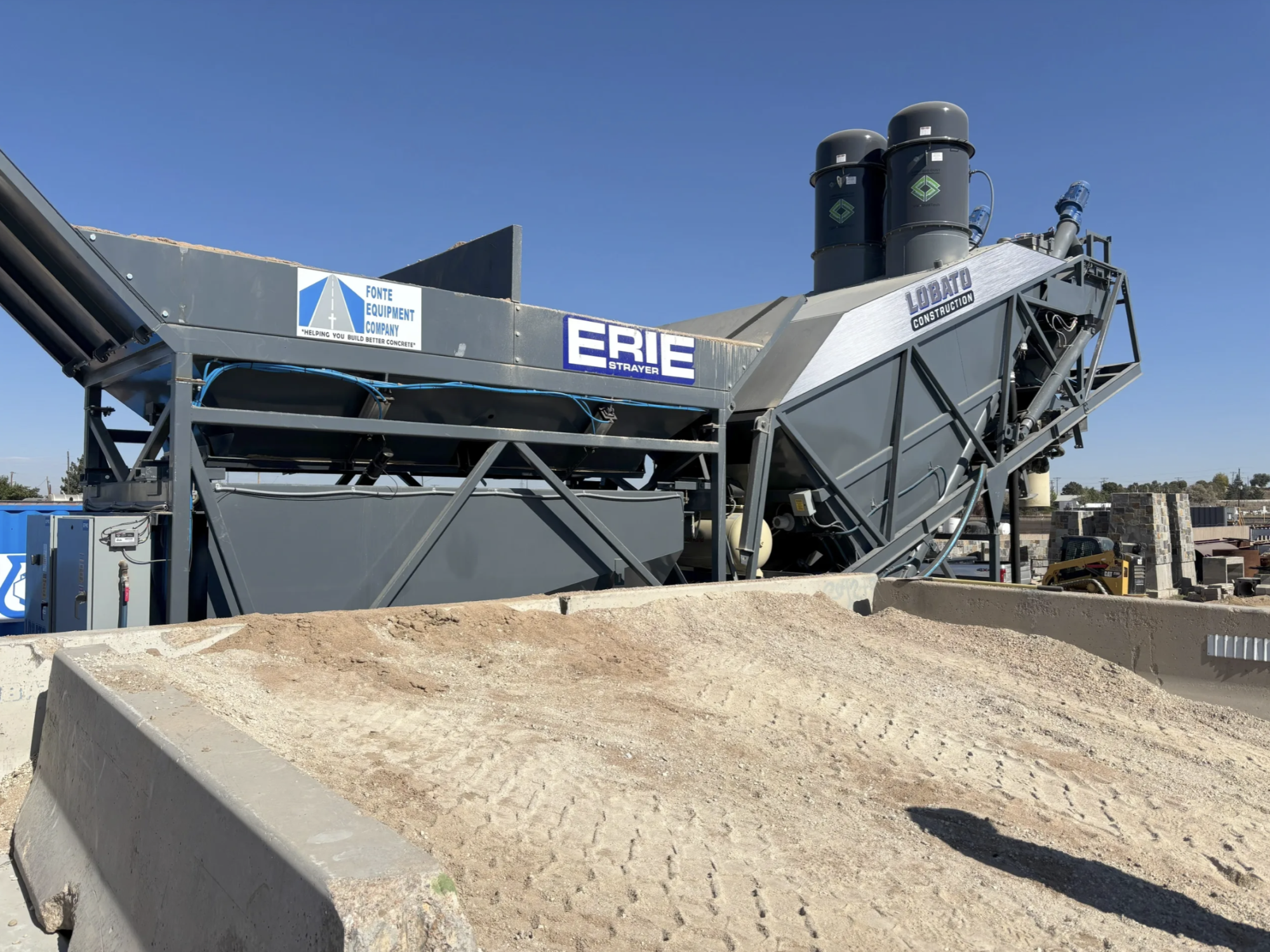
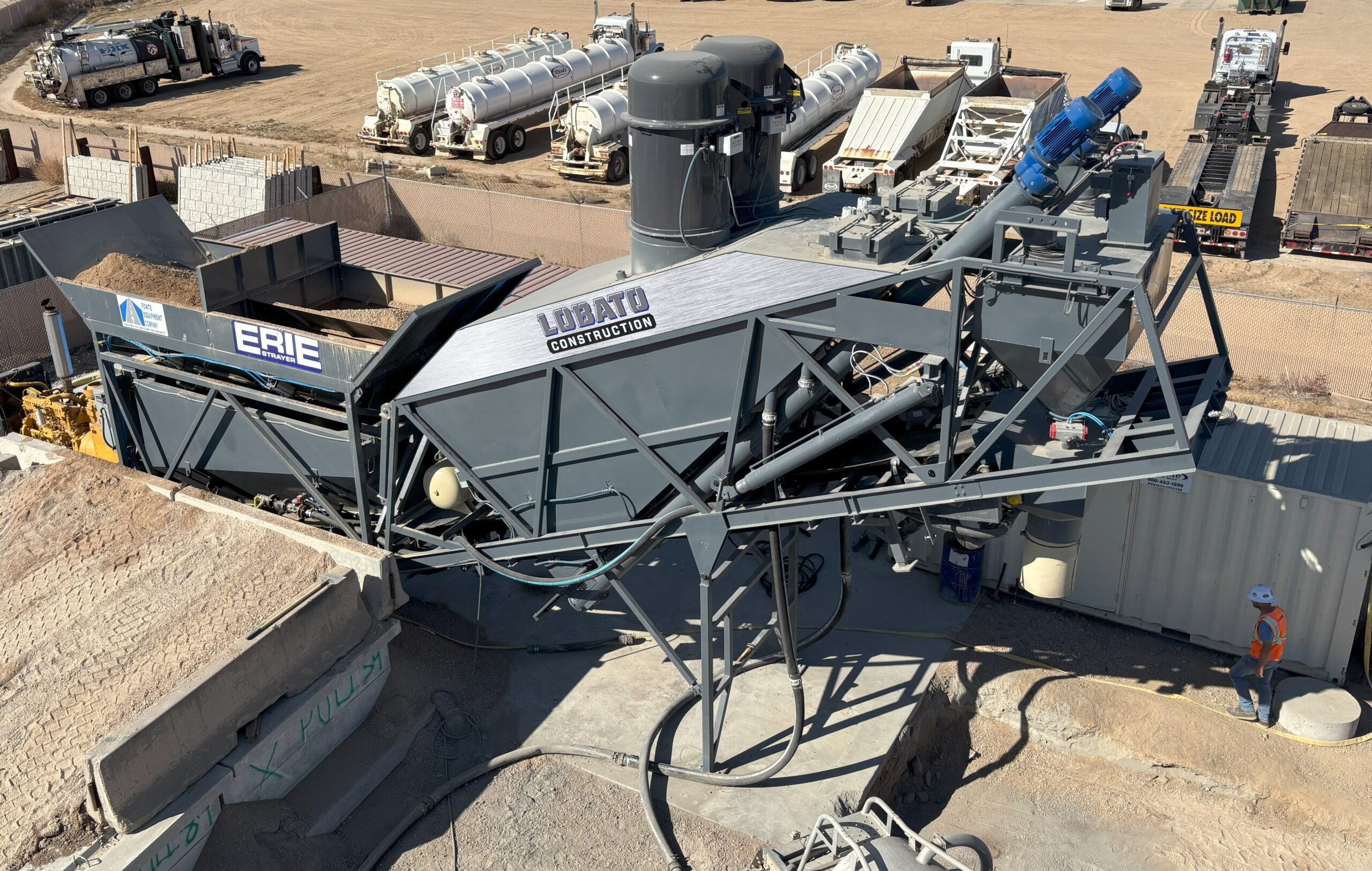
At its core, Aggregate handling equipment refers to the systems and machinery used to move and manage bulk aggregate materials such as sand, gravel, crushed stone, recycled concrete, and similar products. That can include conveyors, feeders, hoppers, bins, stackers, reclaim systems, radial stackers, transfer points, and other integrated components that support material flow.
In many operations, these systems are working constantly in the background. Material needs to come in, be separated or stockpiled, be transferred into processing or batching systems, and then continue through production without unnecessary stoppage. If even one part of that chain becomes unreliable, the impact can spread quickly across the entire workflow.
That is why thoughtful planning matters. The right setup is not just about whether a machine can move material. It is about whether it can do it consistently, safely, and in a way that supports your production goals without creating bottlenecks.
Why Material Flow Has Such a Big Impact on Profitability
A lot of business owners do not realize how much money is lost through poor movement of material. The loss does not always show up as one dramatic failure. More often, it appears through repeated small problems that wear the company down over time.
Slow loading times, uneven feed rates, excess spillage, material contamination, unnecessary loader movement, and frequent maintenance interruptions all add hidden cost. Those costs affect payroll, fuel, repairs, scheduling, delivery commitments, and even employee morale.
This is where better Aggregate handling equipment can create real change. When material moves the way it should, crews can work more confidently and supervisors can manage production with fewer surprises. It becomes easier to keep jobs on schedule, maintain quality, and avoid the kind of operational chaos that steals momentum.
A smoother system does not just help the plant. It helps the business breathe.
Signs Your Current Setup May Be Holding You Back
Not every operation needs a total overhaul, but many do need to take an honest look at where inefficiency is coming from. Sometimes companies become so used to working around problems that they stop noticing how much those problems are costing them.
A few warning signs tend to stand out. One is frequent cleanup around transfer points or stockpile areas. Another is a pattern of loader dependency because the system itself is not moving material efficiently. Some operations struggle with inconsistent feed into batching or processing equipment. Others deal with avoidable wear because materials are not being transferred cleanly or evenly.
If your team is constantly adjusting, compensating, or putting out fires, there is a good chance your Aggregate handling equipment deserves a closer review. A well-designed system should reduce friction, not create more of it.
The Value of Reliability in Demanding Environments
Aggregate operations are not gentle environments. Equipment faces dust, vibration, weather, heavy loads, abrasive materials, and long working hours. That means reliability is not a luxury. It is essential.
The right Aggregate handling equipment needs to be built for the reality of daily use. That includes structural durability, dependable components, accessible maintenance points, and a design that suits the type and volume of material being handled. Equipment that looks good on paper but struggles under real conditions can become a costly disappointment very quickly.
Reliable systems do more than avoid breakdowns. They also give leaders peace of mind. When you trust your material handling setup, you can focus more energy on production, customer service, planning, and growth rather than constantly reacting to preventable issues.
Safety Is Not Separate From Efficiency
Sometimes safety and efficiency get talked about like they are two different goals. In reality, they support each other. When systems are poorly designed, employees are more likely to work around them in ways that increase risk. Extra manual intervention, repeated cleanup, awkward access points, and confusing flow patterns all create more opportunity for injury or error.
Strong Aggregate handling equipment helps create a cleaner, more organized, more predictable environment. Material goes where it is supposed to go. Access points make sense. Transfer systems operate with more consistency. Crews are not forced into unnecessary workarounds just to keep production moving.
A safer setup often ends up being a more productive setup too. When people can work with confidence, the whole operation benefits.
Customization Makes a Bigger Difference Than Many People Expect
No two sites are exactly alike. Material type, moisture conditions, available footprint, throughput goals, staffing, and production methods can all vary. That is why the best Aggregate handling equipment solutions are not always the most generic ones.
A strong system should reflect the realities of your site. It should fit your workflow rather than forcing your workflow to bend around equipment that was never really suited to your needs. The right design can improve storage efficiency, reduce travel time, support better feeding, and help your team maintain more consistent performance through changing conditions.
Customization does not have to mean overly complicated. In many cases, it simply means being intentional. It means asking better questions up front so the final setup supports long-term success rather than short-term convenience.
How Better Equipment Supports Growth
Growth is exciting, but it can expose weaknesses fast. A system that feels manageable at one level of production may become a source of constant frustration when demand increases. That is one reason scalable Aggregate handling equipment matters so much.
If you are planning to expand capacity, improve turnaround times, or serve more demanding projects, your handling system needs to be ready for that next level. Otherwise, growth can create more stress than opportunity. The wrong setup can leave crews overwhelmed, maintenance stretched thin, and leadership stuck solving the same operational problems at a bigger scale.
The right system supports growth by making the operation more stable. It gives you a foundation you can build on with confidence. Instead of wondering whether your workflow can keep up, you can move forward knowing your equipment is helping support the bigger vision.
Maintenance Should Be Manageable, Not Constantly Disruptive
Every equipment system needs maintenance. That is part of responsible ownership. The issue is whether maintenance feels manageable or whether it keeps pulling your team away from the work that matters most.
Good Aggregate handling equipment should be designed with serviceability in mind. If routine maintenance is difficult, time-consuming, or disruptive, the system may be costing more than expected in lost productivity alone. Easy access, sensible design, and dependable parts all matter because they affect how quickly problems can be addressed and how often downtime interrupts the day.
A maintenance-friendly system is not just easier on technicians. It is easier on the whole business.
Choosing Equipment With the Future in Mind
One of the biggest mistakes companies make is choosing based only on immediate price. Budget matters, of course, but so does long-term value. The cheapest route up front can become the expensive route later if it leads to higher repair costs, lower performance, repeated delays, or early replacement.
That is why selecting Aggregate handling equipment should involve looking beyond the purchase itself. Consider how the system will perform over time. Think about durability, output demands, service needs, future expansion, and integration with the rest of your operation. A stronger decision now can save significant money and frustration later.
When business owners take the long view, they often realize that good equipment is not just an expense. It is protection for the operation they are working so hard to build.
Aggregate Handling Equipment Is a Business Decision, Not Just an Equipment Decision
At the end of the day, Aggregate handling equipment affects far more than material movement. It touches labor efficiency, production consistency, safety, maintenance, scheduling, customer experience, and profitability. It influences how hard your crew has to work and how well your operation can respond when demand rises.
That is why this is not just about machines. It is about momentum. It is about removing the friction that slows a business down and replacing it with a system that supports stronger performance day after day.
If your goal is to run a cleaner, more efficient, more dependable operation, then it may be time to take a closer look at how your materials are being handled. Often, the biggest gains come from improving the systems that people rarely notice until they start working the way they should.
The right Aggregate handling equipment can help turn a strained workflow into a stronger one. It can help reduce waste, support your team, and position your operation for healthier growth. And when a business gets that foundation right, everything above it has a better chance to succeed.
Contact us for all of your concrete batch plant and component needs.